

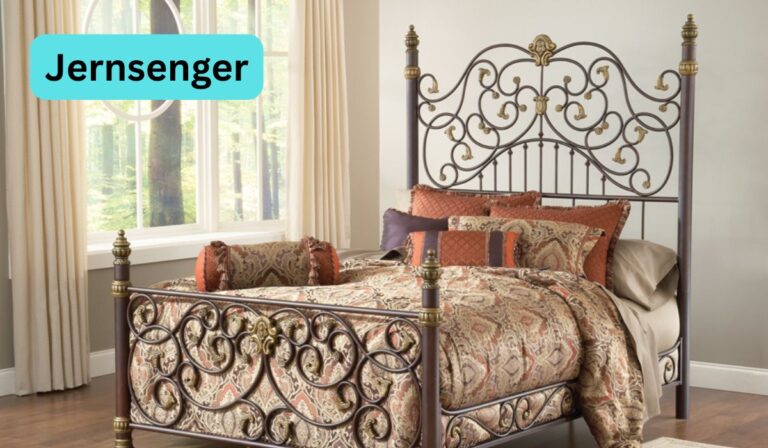
Walk into almost any antique shop, boutique hotel, or staged farmhouse bedroom in America, and one piece of furniture instantly commands attention: the classic iron bed. Known in Scandinavia as jernsenger, these metal bed frames have anchored bedrooms for well over two centuries, and their popularity shows no sign of slowing down. While trendy furniture comes and goes, iron beds keep earning their place in modern homes because they deliver something most contemporary pieces cannot match: genuine longevity paired with timeless character.
The word jernsenger translates directly to “iron beds” in Norwegian, and the term has traveled far beyond Scandinavian borders as interest in heritage furniture keeps growing across the United States. Homeowners, interior designers, and collectors alike are rediscovering what earlier generations already knew. A well-made iron bed is not just a place to sleep. It is a durable, versatile, and surprisingly practical centerpiece that can outlast nearly every other item in your home. This guide covers everything you need to know about jernsenger, from their fascinating history to smart buying tips, so you can decide whether one belongs in your bedroom.
What Exactly Are Jernsenger?
At their core, jernsenger are bed frames constructed primarily from iron, either wrought by hand or cast in molds. Traditional versions feature a headboard and footboard connected by sturdy side rails, often decorated with scrollwork, spindles, finials, or curved details that give each piece its distinct personality. Unlike mass-produced frames made from hollow tubing or particleboard, authentic iron beds are solid, heavy, and built to handle decades of nightly use without loosening, squeaking, or sagging.
Modern manufacturers still produce new iron and steel bed frames inspired by these classic designs, which means shoppers today can choose between genuine antiques, careful reproductions, and contemporary interpretations. Antique jernsenger offer authentic craftsmanship and history, while newer models provide standard American mattress sizing and updated safety features. Understanding the difference matters, because it shapes everything from price to practicality when you start shopping.
The History Behind Jernsenger and Their Lasting Appeal
Iron beds first gained widespread popularity in the early 1800s, and their rise had as much to do with health as with style. During that era, wooden bed frames were notorious for harboring bedbugs and other pests inside their joints and crevices. Iron offered a hygienic alternative. Pests had nowhere to hide, and the frames could be wiped clean easily. Hospitals, boarding schools, and hotels adopted metal beds in huge numbers, and families soon followed. By the Victorian period, iron beds had evolved from purely practical furniture into decorative showpieces, often embellished with brass accents and elaborate castings.
Production boomed through the late nineteenth and early twentieth centuries, which is why so many authentic antique iron beds still circulate in the American market today. Many of these frames have already survived a hundred years or more, and with basic care they will easily serve another century. Few furniture purchases come with a century of proof behind them, and that heritage is part of the charm.
Why Iron Beds Outlast Nearly Every Modern Bed Frame
Durability is the single strongest argument for choosing jernsenger over contemporary alternatives. Solid iron does not warp with humidity the way wood does, it does not crack under stress, and it resists the slow structural fatigue that eventually ruins cheaper frames made from thin, hollow tubing. When you tighten the bolts on a quality iron bed, they stay tight. The frame does not wiggle loose after a few years, which is a common complaint with budget furniture assembled from softwood and stamped hardware.
There is also a financial logic at work here. A typical big-box bed frame might cost a few hundred dollars and last five to ten years before it starts creaking or breaking down. A well-built iron bed often costs more upfront but can serve multiple generations, so the cost per year becomes remarkably low. Families frequently pass these beds down as heirlooms, and resale values for authentic antique frames tend to hold steady or climb, especially for rare designs with original paint or brass details.

Design Versatility: How Jernsenger Fit Into American Homes
One of the most underrated strengths of iron beds is how effortlessly they adapt to different interior styles. Their clean lines and open frames offer a visual lightness that bulky upholstered beds cannot, making smaller bedrooms feel more spacious and airy.
Farmhouse and Cottage Style
In farmhouse and cottage interiors, a white or cream iron bed layered with quilts and linen bedding creates that welcoming, lived-in warmth Americans love. This pairing has become a signature look in country homes and vacation rentals across the Midwest and the South, which explains why the style dominates design boards online.
Industrial and Modern Spaces
Strip away the ornate scrollwork and choose a simpler frame in matte black or raw metal, and suddenly the same furniture reads as industrial or minimalist. Designers frequently place streamlined iron beds in urban lofts and modern apartments, where the exposed metal echoes architectural elements like steel beams and window frames.
Vintage and Eclectic Bedrooms
For those drawn to vintage charm, an antique frame with chipped paint and aged brass finials becomes the anchor of an eclectic room. This approach celebrates a bed’s age rather than hiding it, mixing old and new pieces for a collected-over-time feel no showroom can replicate.
Practical Benefits Beyond Good Looks
Style aside, jernsenger deliver real everyday advantages. The elevated, open design allows air to circulate freely beneath the mattress, which helps regulate temperature and keeps the sleeping surface fresher. That same clearance creates valuable under-bed storage, a genuine bonus in smaller homes where every square foot counts. Iron frames also resist dust mites and pests for the same reasons they were prized two hundred years ago, making them a smart pick for allergy-conscious households. Weight capacity is another quiet advantage. Solid iron construction supports heavy modern mattresses, including thick hybrid and memory foam models, without flexing or bowing in the middle. Many antique frames can be fitted with modern conversion rails, allowing them to accommodate standard U.S. queen mattresses even though they were originally built for full-size bedding. That adaptability keeps these old frames fully functional in twenty-first-century bedrooms.
What to Look for When Buying Jernsenger
Shopping for an iron bed rewards a little preparation. Whether you are browsing estate sales, antique malls, or online marketplaces, keep the following points in mind before you commit:
- Verify the material. True iron beds feel substantially heavy. If a frame lifts easily or sounds hollow when tapped, it is likely thin steel tubing, not solid iron.
- Check the joints and welds. Examine where rails meet the headboard and footboard. Cracks, sloppy repairs, or heavy rust at connection points can compromise stability.
- Confirm the size. Many antiques were built for three-quarter or full mattresses. Measure the interior rail-to-rail width before assuming a modern mattress will fit.
- Inspect the finish. Original paint adds antique value, but flaking lead-based paint should be sealed or professionally refinished, especially in homes with children.
- Test for squareness. Set the frame up if possible. A bed that racks or leans may have bent rails.
- Ask about provenance. Documentation, maker’s marks, or foundry stamps can significantly increase value and resale potential.
Caring for an Iron Bed the Right Way
Maintenance for jernsenger is refreshingly simple, which is part of their appeal. A soft cloth and mild soap handle routine cleaning, and a light coat of paste wax once or twice a year protects the finish and keeps moisture away from the metal. In a humid climate, watch for early rust spots, which can be gently removed with fine steel wool before touching up the area with matching paint. Bolts should be checked and snugged once a year, a two-minute task that keeps the frame rock solid.
Refinishing is also far more forgiving than with wooden furniture. A tired frame can be professionally powder-coated in virtually any color, instantly transforming a flea-market find into a custom statement piece. Many owners have turned rusty barn discoveries into showroom-quality beds for a fraction of the cost of buying new.
Cost Versus Value: The Investment Perspective
Prices for iron beds span a wide range. Simple vintage frames often sell for a few hundred dollars at estate sales, while rare Victorian pieces with original brass detailing can command several thousand. New reproductions from quality manufacturers typically fall between four hundred and fifteen hundred dollars. Compared with designer upholstered beds that cost just as much yet wear out within a decade, the math consistently favors iron. You are buying a frame that never needs replacing, holds resale value, and never goes out of style.
Final Thoughts
Jernsenger have earned their reputation the honest way: by lasting. For more than two hundred years, iron beds have moved through changing design eras, housing trends, and manufacturing revolutions, and they remain just as relevant in today’s American bedrooms as they were in Victorian parlors. They offer a rare combination of strength, beauty, hygiene, and long-term value that disposable modern furniture cannot deliver. Whether you hunt down a century-old antique with stories in its scrollwork or invest in a quality new reproduction, an iron bed is one of the few furniture purchases you will likely make only once. Choose carefully, care for it simply, and it will still be standing strong when the rest of your furniture has come and gone. That is what makes it the smartest bedroom investment you can make.
Frequently Asked Questions
1. Are jernsenger comfortable for everyday sleeping?
Absolutely. The frame itself has no effect on sleeping comfort, since your mattress and foundation do that work. Iron beds support every modern mattress type, and their rigid construction reduces motion transfer and squeaking better than many wooden frames.
2. How can I tell if an iron bed is a genuine antique?
Look for casting seams, foundry marks, and signs of hand assembly such as slightly irregular scrollwork. Authentic antiques feel very heavy and often use rail hooks rather than modern bolts. When in doubt, consult an appraiser before paying premium prices.
3. Will an antique iron bed fit a modern queen mattress?
Sometimes, but measure first. Many antique frames were made for full or three-quarter mattresses. Conversion rail kits are widely available in the United States and can adapt most full-size frames to hold a standard queen mattress safely.
4. Do iron beds rust easily inside the home?
Not under normal indoor conditions. Rust generally becomes a problem only in damp basements, coastal humidity, or outdoor storage. A protective wax coating and a climate-controlled bedroom will keep an iron frame rust-free for decades.
5. Are iron beds safe for children?
Generally yes, thanks to their stability and strength. Parents should check older frames for lead paint, sharp edges, or wide gaps between spindles. Modern reproductions built to current U.S. safety standards are a worry-free choice for kids’ rooms.
6. Why are iron beds more expensive than basic metal frames?
The difference comes down to material and construction. Basic frames use lightweight hollow tubing, while true iron beds use solid, heavy metal that takes far more labor to produce. That added cost buys decades of additional lifespan and much higher resale value.
Read more :- Nerwey Explained: What It Means, How It Works, and Why Everyone Is Searching Today
